INDUSTRIAL CLEANING PROCESS SUPPORT
Define the cleaning process.
Then select the equipment.
Hot-Water Pressure · Industrial Steam · Extraction · Cold-Water Pressure
Lieying matches equipment to the object, contamination, power, drainage and safety limits to build a practical industrial cleaning process.
PROCESS BEFORE PRODUCT
The machine is not the starting point.
The cleaning process is.
Pressure releases soil, flow provides coverage and carrying, heat lowers oil viscosity, and the nozzle defines the jet. Equipment data matters only when these variables match the jobsite limits.
Learn the process →PRODUCT SYSTEMS
Four Industrial Cleaning Systems
Select the process first, then match the model within a safe and effective operating range.
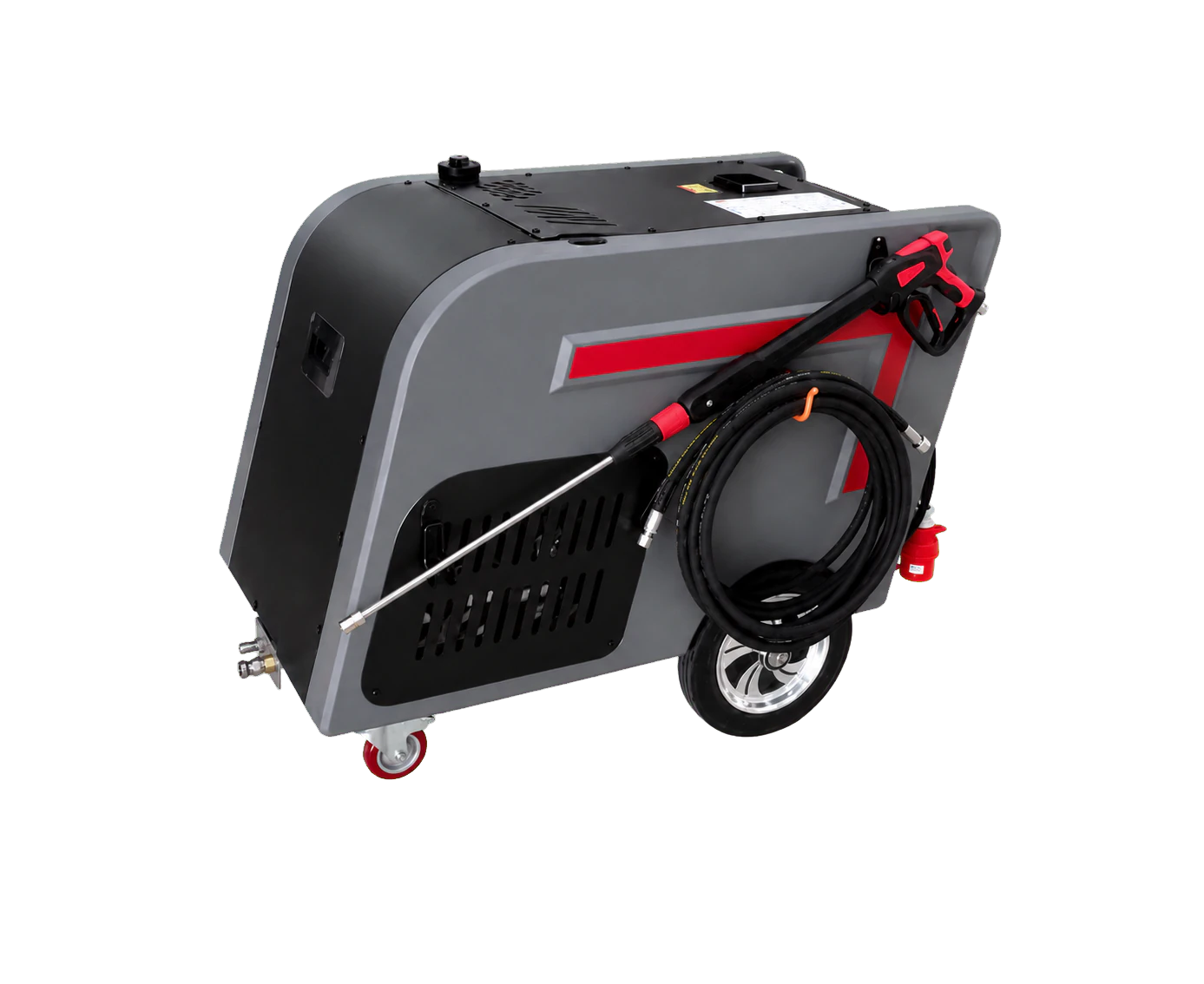
Industrial Hot-Water Pressure Washers
Heat reduces oil viscosity, pressure releases the soil, and flow carries it away. This is the primary process for industrial degreasing and component reconditioning.
- Engine and component reconditioning
- Steel equipment degreasing
- Construction equipment cleaning
Industrial Steam Cleaners
High-temperature steam reaches holes and narrow gaps for carbon, baked-on residue, precision work and low-water cleaning. Select electric or diesel heating according to power, ventilation and exhaust limits.
- Indoor exhaust-free precision cleaning
- Carbon and coked deposits
- Outdoor sites with limited power
Steam Extraction Systems
Steam or spray solution loosens soil while vacuum recovery removes the wastewater. Designed for fabric, porous materials and delicate surfaces.
- Vehicle seats and carpets
- Hotels and commercial spaces
- Upholstery and soft furnishings
Industrial Cold-Water Pressure Washers
A practical combination of pressure and flow removes mud, dust, loose particles and soil from large surface areas.
- Construction equipment undercarriages
- Factory floors
- Large structural components
QUICK SELECTOR
Answer five questions.
Get an initial process direction.
The selector considers the object, soil, power, drainage and combustion-exhaust conditions. A formal recommendation still requires jobsite evidence and duty details.
Complete all five questions to see an initial direction.
INDUSTRY SOLUTIONS
Seven Priority Sectors
Construction Equipment & Reconditioning
Engines, gearboxes, undercarriages and hydraulic components
View the application direction →02Steel & Rolling Mills
Rolls, bearing housings, hydraulic stations and service parts
View the application direction →03Food Processing
Production equipment, crates and washable floor zones
View the application direction →04Petrochemical Maintenance
Tanks, pipework, pumps and maintenance components
View the application direction →05Automotive Service
Chassis, components, seats and interior materials
View the application direction →06Rail & Vehicle Maintenance
Bogie frames, wheelsets and service components
View the application direction →07Factory Maintenance
Machine tools, production lines, floors and pipework
View the application direction →CASE STUDIES
From Site Problem to Process Verification
Engine and Transmission Part Degreasing
Old components often combine heavy lubricant residue with sensitive sealing faces, electrical connectors and precision-machined surfaces.
View the process →CASE 02 · Steel & Rolling MillsRolling Mill Oil and Emulsion Cleaning
A cold-water-only process can spread viscous oil and create excessive splash before the contamination is actually lifted.
View the process →CASE 03 · Mobile Field MaintenanceOff-Grid Outdoor Equipment Cleaning
The cleaning method must match both drainage and combustion-exhaust conditions, not just the available machine power.
View the process →KNOWLEDGE
Clarify the key purchasing questions.
Practical guidance on parameters, processes and operating boundaries for buyers, engineers and maintenance teams.